
Hydroxene and Hybrid Cars
You may have heard a lot recently about Hydroxene, fuel cells and hybrid cars. With the escalating prices of fossil fuel, research into alternative energy sources to power our vehicles have progressed at a feverish rate. Electric cars are a flop and despite the billions of dollars invested into R&D, a suitable battery or solar panel to power our vehicles had not been found.
 |
Another source of an alternative energy vehicle is the hydrogen powered car. The idea of a hydrogen engine is not new, and in fact the first hydrogen powered engine was built during the industrial revolution of the 18th century, alongside with gasoline and steam engines. The design was highly unsuccessful but since then, there had been thousands of hydrogen powered vehicles which had been successfully developed. Although there had been many examples, but none of the hydrogen powered vehicles were practical enough to be adopted for mass production. An example is the Honda FCX, a hydrogen powered car developed by Honda at a cost of USD3 million per vehicle, too expensive to be adopted for conventional use. Other car manufacturers such as Ford and BMW have also joined in this development, but have yet to see any promising results.
The future of alternative powered vehicles looks bleak indeed, but hybrid powered vehicles are more of a likely solution. Hybrid vehicles are simply vehicles which uses more than one source of energy for propulsion. A gasoline car which depends on batteries to provide electrical power is not considered a hybrid. A vehicle is considered a hybrid only when it uses two or more energy sources for propulsion.
Whether it is the greenhouse effect or the escalating prices of gasoline, hybrid cars are an exciting concept for motorists worldwide because recent breakthroughs in technology have finally made it available for mass adoption. This means we will be seeing lower fuel consumption and cleaner air today, instead of mere promises for the future.
 |
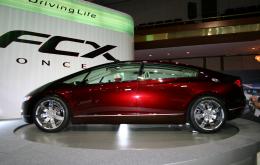 |
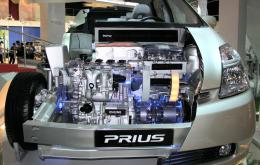
| Toyota Prius at the KL International Motor Show, 2006. It retails around $20,000 in the US. | Honda FCX - uses the next generation fuel cell technology costing in excess of several million dollars. |
The most common type of hybrid is the gasoline-electric car, but what’s even more exciting is the gasoline-water car. Known and patented as Hydroxene, this promising new technology was successfully developed by a Malaysian scientist and is just beginning to enter mass production for the automobile market.
On this website, you will learn about the development history of hydrogen powered cars. Confusing terminologies such as fuel cells, and hybrid cars will also be explained along the way. Then we’ll explain Hydroxene and the conventional gasoline-electric hybrid, and compare how they stack up against each other. Finally, we’ll list down some of the hybrid vehicles available in the market today along with recent news releases.
Where should I go from here?
A quick reference to what you can find here :-
An Introduction - If you don’t know where to begin, then this is a good starting place to learn about hybrid cars.
The Hydrogen Engine - Learn about the properties of hydrogen fuel, and the development history of hydrogen powered engines.
What Is A Fuel Cell - A friend of mine calls everything a fuel cell. Do you know that a hydrogen fuel cell costs more than a million dollars to produce? You can learn all about fuel cells here.
The Gasoline-Electric Hybrid - Find out how they work and what it feels like behind the wheel of a gasoline-electric hybrid.
The Gasoline-Hydrogen Hybrid - Features information about Hydroxene, how it works and the current vehicle lineup using Hydroxene.
|
We apologize but this website is still being updated with more content about Hydroxene and Hybrid Cars. Some or most of the links here do not work yet, but they are being completed as quickly as time permits.
If you encounter a broken link, then please re-visit us again about a week later. The last update is on December 29, 2006. When the website is complete, this message will be removed. |